Seasonal Storage Guide
How to Store Tyres Properly Between Seasons
Temperature, humidity, and positioning affect tyre lifespan. Storage tips that keep your second set in good condition year-round.
6 min read
Beginner
July 2026

Editorial Team
Written by the novaique editorial team, focused on practical, honest guidance for seasonal tyre care and vehicle maintenance.
Why Storage Matters
Tyres aren't designed to sit unused. Over time, rubber hardens and cracks. But here's the thing — proper storage slows that process dramatically. We're talking about keeping your second set in usable condition for 5-10 years instead of 3-4.
The main enemies? Heat, sunlight, moisture, and ozone. Get these under control and you'll see a real difference in tyre condition when you swap them back in.
Quick Storage Facts
- Ideal storage temperature: 10-25°C
- Humidity range: 40-60%
- Keep away from direct sunlight
- Check condition every 2-3 months
The Right Storage Location
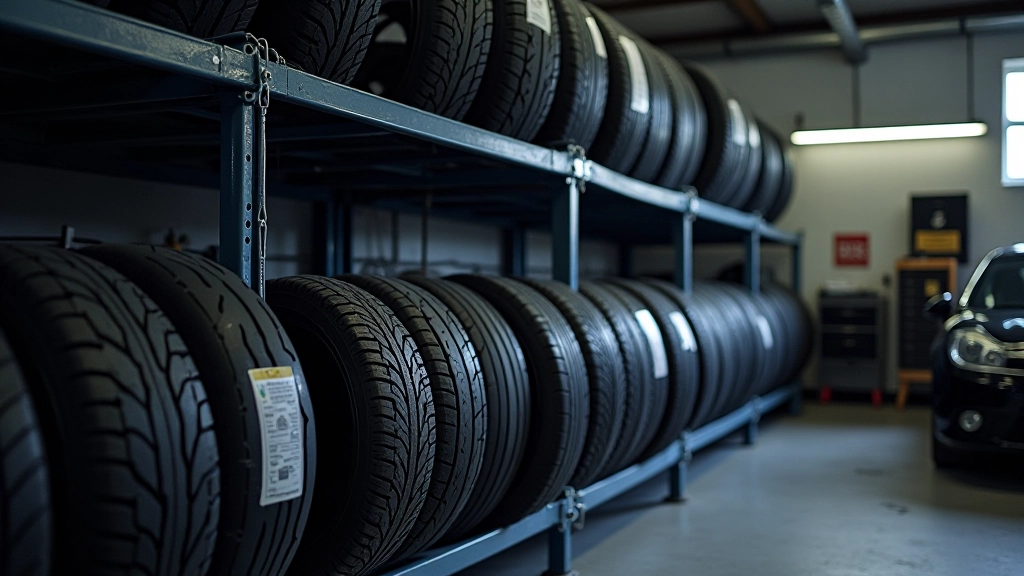
Where you store tyres matters as much as how. A garage is ideal — cool, dark, and protected from weather. A shed works too. But avoid damp basements or uninsulated spaces that swing wildly between hot and cold.
If you're storing tyres outdoors, you're fighting a losing battle. UV rays break down the rubber compound. Rain brings moisture. Temperature swings cause the rubber to expand and contract, creating tiny stress fractures you can't see.
Wall space is precious in most garages, so vertical storage makes sense. Wall-mounted racks take up minimal floor space. Hanging tyres from the ceiling also works — just make sure hooks are rated for the weight. A set of four tyres weighs roughly 80-120kg depending on size.
Prepare Before Storing
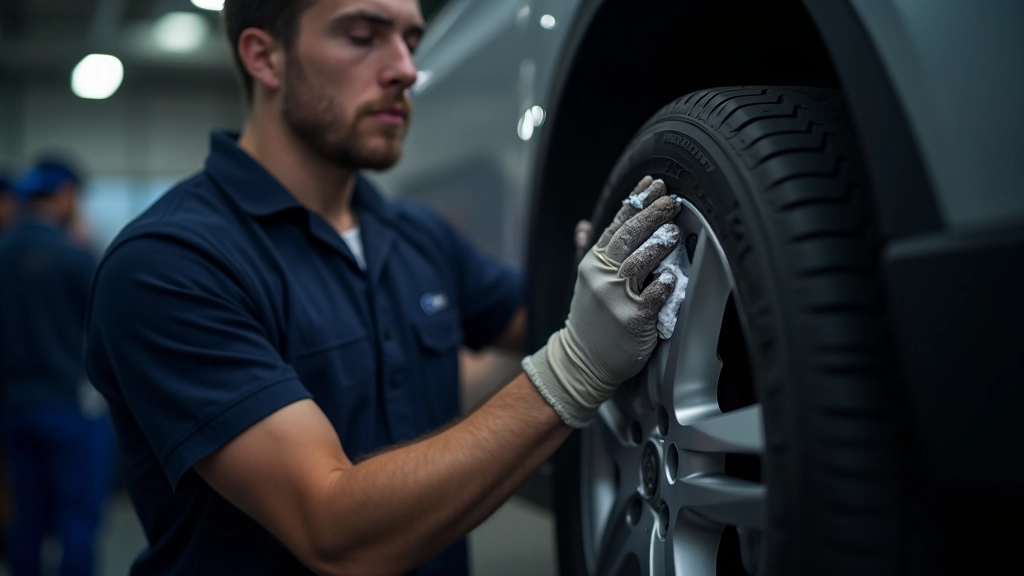
Don't just throw tyres into storage. Clean them first. Dirt, salt, and road grime contain chemicals that degrade rubber. A simple wash with soapy water removes most contaminants. Dry them completely — moisture trapped under dirt accelerates cracking.
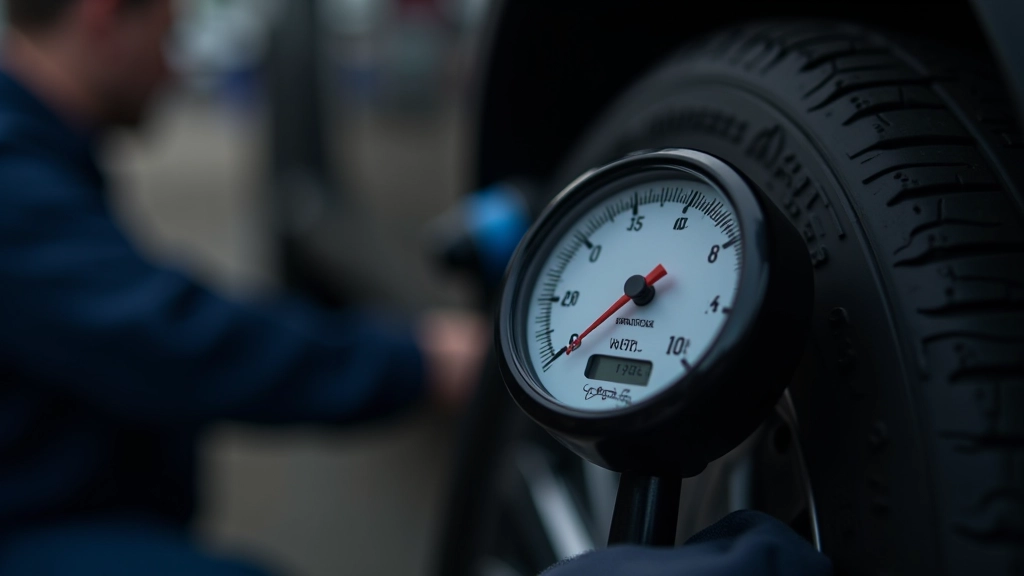
Inflate tyres to the correct pressure — this is crucial. Under-inflated tyres develop flat spots from their own weight. Over-inflated ones stress the sidewalls. Aim for the pressure listed on your vehicle's door jamb, not the sidewall of the tyre (that's the maximum, not the recommended).
Label each tyre with its position: front-left, rear-right, and so on. Tyres wear unevenly based on where they're mounted. Rotating positions when you swap them back in extends their life. A simple marker pen works fine — the ink won't damage the rubber.
Storage Methods: Stacked vs. Vertical
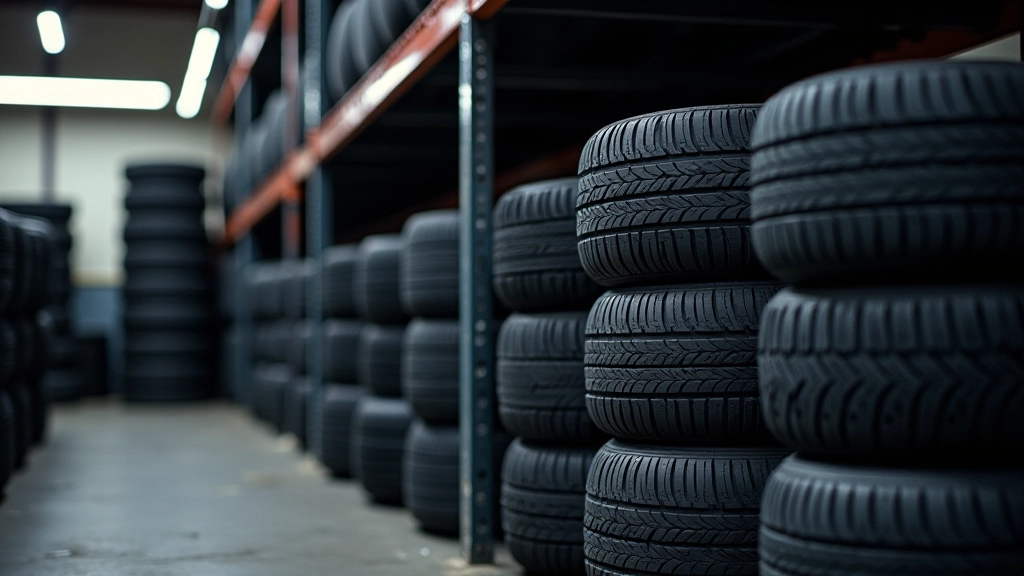
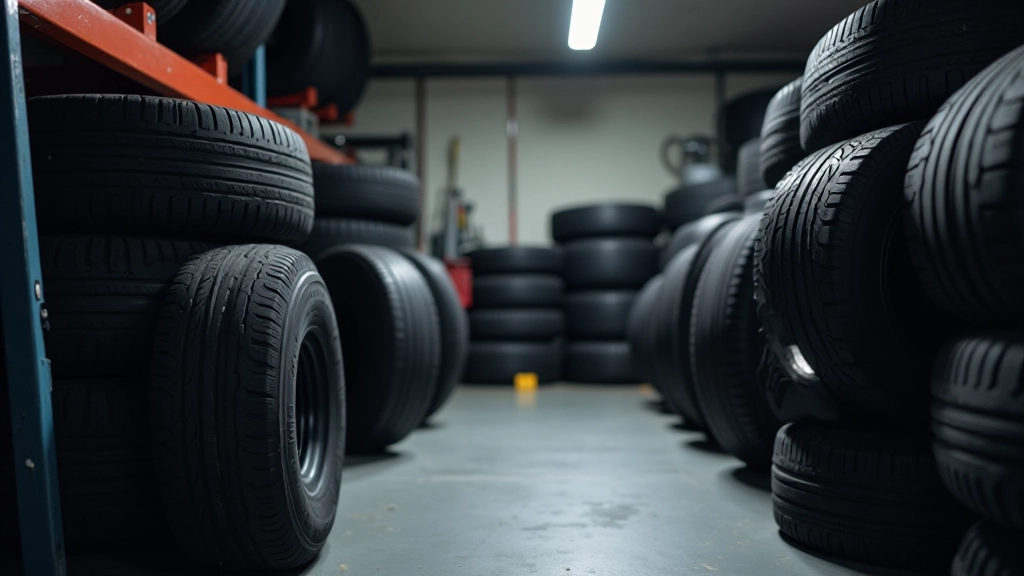
You've got options here. Stacking tyres is space-efficient but puts pressure on the bottom tyre. Stack them no higher than four deep. Place plywood or a rubber mat underneath to protect the lowest tyre from moisture seeping up.
Hanging tyres vertically is better for the rubber. Tyres on hooks distribute weight evenly across the sidewall. This prevents flat-spotting. The downside? You need proper hooks and wall space. Most garages can accommodate 4-8 tyres on a wall rack.
Storing on rims? That's fine too. The wheel protects the tyre's interior surface from dust and ozone. Just ensure the rim isn't resting on concrete directly — concrete wicks moisture. A rubber mat or wooden pallet underneath is worth the investment.
Protective Coverings
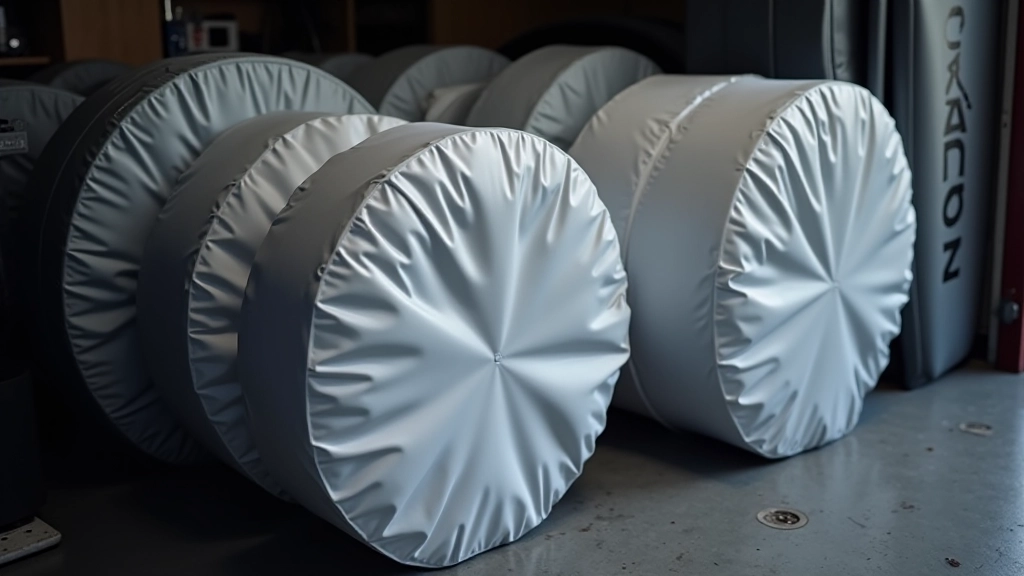
Individual tyre bags aren't essential but they're genuinely helpful. A basic opaque cover blocks UV light and dust. Even a dark plastic sheet works in a pinch — just don't use clear plastic, which lets light through and traps moisture underneath.
Don't wrap tyres in plastic directly. That traps condensation. Instead, use breathable tyre bags or cover them with cloth. The goal is UV protection without moisture buildup. If you're storing on rims, the wheel well already provides some protection, but a cover still adds value.
Some people apply tyre dressing before storage — the idea being that UV protectants keep rubber supple. That's reasonable, though it's not strictly necessary if you're storing indoors away from sunlight. If you do apply dressing, use a light hand. Excess product can attract dust and dirt.
Important Disclaimer
This guide provides general information about tyre storage practices. Storage conditions vary based on climate, tyre type, and individual circumstances. Always refer to your vehicle manufacturer's recommendations and tyre specifications. Before returning stored tyres to service, have them inspected by a qualified mechanic to check for damage, pressure loss, or other issues. If you notice cracks, bulges, or other visible damage during storage, the tyres should not be used.
The Payoff
Good tyre storage isn't complicated. It's about consistency — keeping temperature, humidity, and light exposure stable. Clean tyres before storing. Store them in a cool, dark place. Keep them off the ground. Check on them occasionally. That's it.
You'll see the difference when you swap tyres back. Rubber that's been properly stored feels firmer, looks healthier, and grips the road better. You're essentially getting an extra season or two out of your second set. In a place like Kilkenny where weather changes dramatically between seasons, that's real money saved.